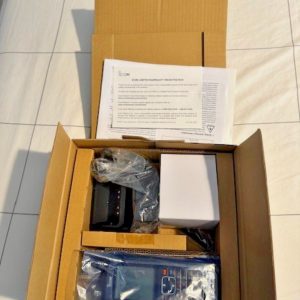
:::writingvariant="document" id="58314" ICOM IC-A25N Handheld NAV/COM Transceiver w/ Bluetooth – Open Box: Reliable NAV/COM Performance The ICOM IC-A25N Handheld NAV/COM Transceiver w/ Bluetooth – Open Box combines user-friendly controls, portable convenience, aviation communication capability, navigation functions, and Bluetooth connectivity. Choosing an open-box aviation radio may allow buyers to obtain advanced pilot equipment at a more accessible price than a comparable factory-sealed package. A dependable ICOM IC-A25N Handheld NAV can become an important part of a pilot’s flight bag by providing portable communication capability whenever installed aircraft equipment is unavailable. An ICOM IC-A25N Aviation Radio can support communication between pilots, air traffic services, flight instructors, ground personnel, and other aviation users where get more info authorized. The compact ICOM IC-A25N Handheld Radio may be especially useful for pilots who operate multiple aircraft or frequently travel between airports and training locations. As a Handheld NAV/COM Aviation Transceiver, the unit combines portable communication with navigation-related functions in one organized device. Whether pilots need a Handheld Aviation Radio, Aviation NAV/COM Radio, Pilot Handheld Radio, or portable Aircraft Communication Radio, the complete package should be inspected and tested. The product can support pilots seeking a Portable Aviation Transceiver, Aviation Navigation Radio, ICOM Pilot Radio, or dependable Backup Aircraft Radio.
Exploring the ICOM IC-A25N NAV/COM Platform
A multifunction handheld radio can provide useful redundancy and flexibility for pilots who regularly operate in different aircraft or environments. Its practical value comes from combining mobility, recognizable controls, aviation-focused operation, rechargeable power, and multiple communication or navigation functions. A handheld radio can provide valuable support, but performance may depend on antenna position, aircraft structure, terrain, distance, interference, battery condition, and operating environment. Operators should include the radio in normal equipment checks so batteries, accessories, and settings remain ready for use.Benefits of the ICOM IC-A25N Handheld NAV
An ICOM IC-A25N Handheld NAV may help pilots monitor frequencies, organize flight-related information, and maintain portable communication capability. Students may practice menu navigation, frequency entry, memory organization, display interpretation, and accessory setup in a controlled setting. Aviation navigation requires situational awareness, planning, current data, and understanding of aircraft and airspace requirements. A complete preflight review can confirm that the radio is charged, configured, accessible, and ready to support the planned operation.ICOM IC-A25N Aviation Radio Applications
The handheld unit can support operations during aircraft maintenance, ramp movement, hangar work, or other situations where installed radios are not easily accessible. The radio may also be useful at aviation events, remote airfields, flight schools, maintenance shops, aircraft demonstrations, and airport operations areas. The seller should identify any missing accessories, cosmetic marks, opened packaging, previous testing, warranty status, or differences from a factory-sealed package. An independent review may provide additional confidence when the radio cannot be examined in person.ICOM IC-A25N Handheld Radio Applications
The ICOM IC-A25N Handheld Radio offers portable access to aviation communication functions without requiring permanent aircraft installation, wiring, panel space, or structural modification. A secure carrying arrangement can keep the radio accessible without allowing it to move around the cockpit during turbulence or abrupt maneuvering. Users can review the interface in a quiet environment rather than learning controls during engine operation or busy airport activity. A portable radio should not be left in extreme heat, direct sunlight, freezing conditions, or damp environments for extended periods.Handheld NAV/COM Aviation Transceiver Applications
A feature-rich handheld transceiver can provide practical support while remaining compact enough for regular flight-bag use. Users should consider how frequently the radio will be carried, whether Bluetooth is required, and which accessories are needed for their aircraft or headset. Stored frequencies and settings should be reviewed periodically so outdated information does not create confusion. The antenna, battery, charger, headset adapter, belt clip, and other accessories should remain organized with the radio.Maintaining a Handheld Aviation Radio
General aviation users may carry a portable radio during training flights, cross-country operations, maintenance, aircraft repositioning, and airport events. Regular practice and maintenance turn a handheld device into meaningful backup equipment rather than an unverified accessory. Radio performance can be affected by aircraft structure, cockpit location, antenna orientation, terrain, buildings, interference, weather, and distance. Pilots must use aviation frequencies responsibly and comply with applicable licensing, authorization, frequency, and communication requirements.Benefits of an Aviation NAV/COM Radio
A NAV/COM radio may support pilots who need backup communication while also valuing navigation-oriented information and operating flexibility. Important features should be practiced on the ground before the radio is used during high-workload phases of flight. Users should distinguish between convenience features, backup capability, training value, and equipment required for a particular flight. The antenna should be attached properly and protected from interference with controls or cockpit movement.Pilot Handheld Radio for Flight Operations
A Pilot Handheld Radio offers flexibility to aviation professionals whose work involves several aircraft, airports, and operational environments. Good cockpit organization reduces workload and prevents backup equipment from becoming difficult to reach when needed. Regular familiarity helps users recognize abnormal operation, weak batteries, damaged controls, or missing accessories early. Pilots may consider carrying an appropriate backup power option when supported by the equipment and mission requirements.Portable Aircraft Communication Radio
An aircraft communication device can support maintenance coordination, ground handling, training activities, and operational monitoring where appropriate. Pilots should listen before transmitting, speak clearly, keep messages relevant, and verify that the correct frequency is selected. A portable radio may operate differently from the aircraft’s main communication system because antenna size, antenna position, output, and cockpit shielding can affect performance. Users should stop relying on the unit if it displays intermittent function or unexplained shutdowns until the concern is resolved.Portable Aviation Transceiver Advantages
A compact transceiver may remain available during electrical shutdowns, maintenance events, panel upgrades, or aircraft storage. An accessory checklist may be useful for businesses or flight schools that issue the radio to different users. Bluetooth operation should be tested in advance because pairing status, battery condition, compatibility, audio routing, and device settings can influence performance. The radio should remain usable even when a paired device is unavailable or the Bluetooth connection cannot be restored.Aviation Communication Device Applications
An Aviation Communication Device should provide clear operation, accessible controls, dependable power, suitable audio, and practical compatibility with the user’s aviation environment. Transparent condition information allows the purchaser to judge whether the price reflects the package accurately. Aviation businesses should establish procedures for cleaning shared microphones, headsets, controls, and surfaces where appropriate. A well-managed Aviation Communication Device can support efficient and dependable operations across many aviation roles.Handheld Aircraft Radio for Cockpit and Ground Use
The device may also support pilots at airports where communication must begin before the aircraft electrical system is activated. Pilots may prepare frequencies and settings before entering the cockpit, reducing setup workload after engine start. A handheld radio should not be placed on an unstable surface where turbulence or maneuvering could send it across the cockpit. Consistent care helps a Handheld Aircraft Radio transition reliably between cockpit, hangar, ramp, and storage use.Choosing an Aviation Navigation Radio
A combined navigation and communication unit can help pilots maintain familiarity with one device rather than carrying unrelated portable tools. Pilots should confirm which navigation functions are available, how they operate, and what limitations apply before relying on them. The device should become part of a layered navigation and communication strategy rather than the sole source of critical information. The manual and quick-reference information should be available until the pilot can use important functions confidently.Maintaining an ICOM Pilot Radio
The radio may also suit instructors, aircraft technicians, flight departments, and airport operations personnel who require portable communication equipment. A complete and well-documented package can be more valuable than a lower-priced unit missing essential equipment. Aviation students may prioritize ease of learning, while experienced pilots may focus on backup capability, portability, and integration. Responsible ownership allows an ICOM Pilot Radio to remain a useful communication and navigation resource for many aviation activities.Using an Emergency Aviation Radio
The IC-A25N can become part of a broader emergency equipment strategy appropriate to the aircraft, route, environment, and pilot’s needs. A written quick-reference guide may help, but it should remain simple enough to use without creating distraction. Pilots should evaluate whether the radio can be heard clearly in the noise environment of their aircraft. Emergency equipment checks can be scheduled with annual inspections, proficiency reviews, seasonal preparation, or flight-bag audits.Maintaining a Backup Aircraft Radio
Pilots who operate several aircraft can carry the same Backup Aircraft Radio and remain familiar with its controls across different cockpit layouts. A dependable backup radio is the result of consistent preparation rather than the assumption that unused equipment remains ready. The pilot should determine whether the radio will be operated through its built-in audio, Bluetooth accessory, or wired headset connection. Aviate, navigate, and communicate priorities remain essential whenever communication equipment problems occur.Buying an Open-Box ICOM IC-A25N
An open-box ICOM IC-A25N should be inspected for cosmetic condition, display quality, button response, antenna security, battery fit, connector condition, and evidence of previous use. Buyers should ask whether the radio was displayed, returned, tested, paired, charged, transmitted with, or previously registered. A complete demonstration can provide valuable confidence for buyers who cannot inspect the radio in person. Remote transactions should use secure payment, documented terms, careful packaging, shipment tracking, and clear inspection or return conditions.Routine Care for a Handheld Aviation Radio
The radio should be inspected according to usage frequency, storage duration, operating environment, and the importance of its backup role. Maintenance should be completed before the radio is needed for an important flight or emergency role.- Inspect the radio body, display, antenna, battery, charger, controls, connectors, clips, cables, and included accessories before important operations.
- Keep the operating guide or a simple quick-reference resource accessible until important functions are fully familiar.
- Protect the equipment from extreme temperature, direct sunlight, moisture, fuel, oil, cleaning chemicals, heavy tools, and accidental impact.